
CONTENTS



About
PHASE ONE
A cancer diagnosis changes everything.
Together, we can bring tomorrow’s cures within reach.
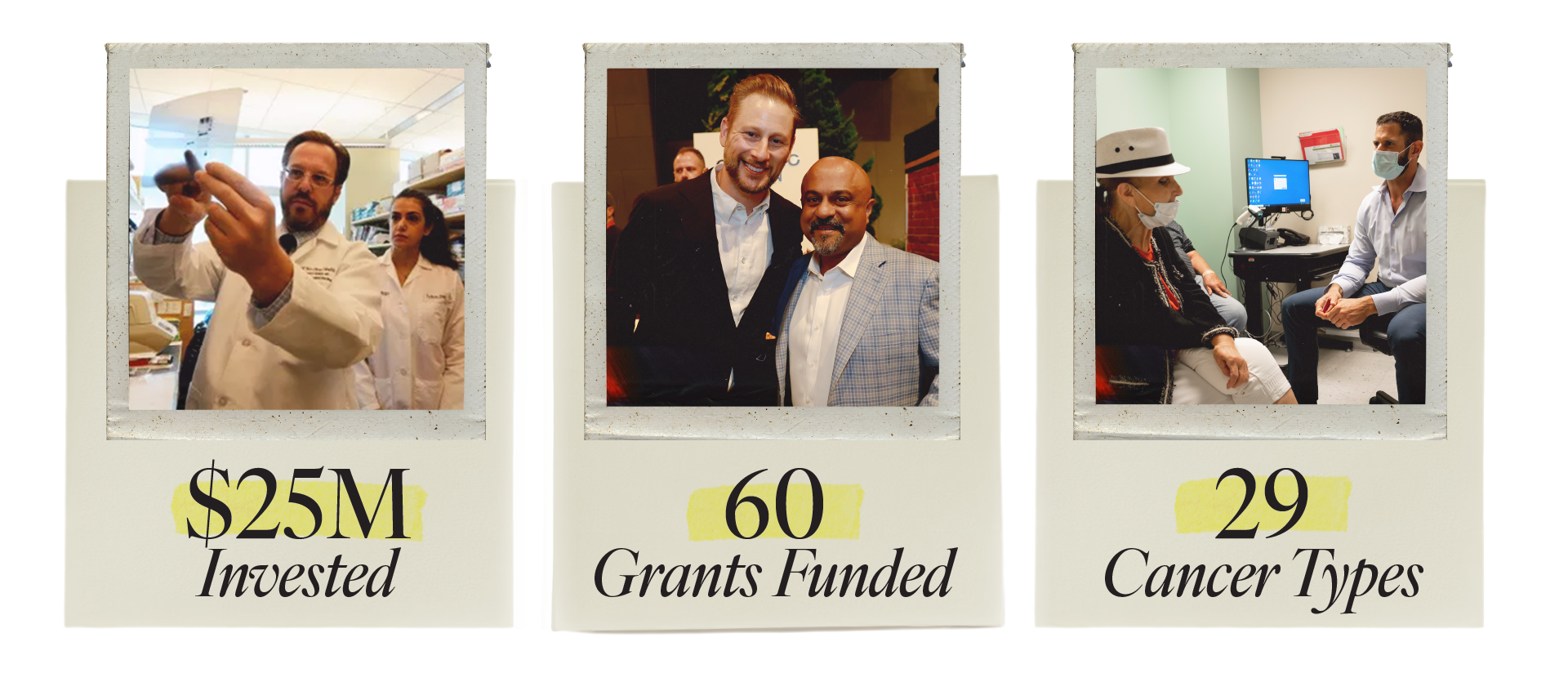
PHASE ONE transforms the landscape of care by supporting the most promising research across all types of cancer. Investing in breakthroughs at their foundational stages provides a path for discovery and ensures that the best ideas can become reality.
Letter from the
BOARD CHAIR
As I reflect on 2025, I am struck by both the extraordinary momentum in cancer research and the very real challenges that shaped this year. From federal funding cuts that created new uncertainty across the research landscape, to the wildfires that affected so many in our community, it was a year that made clear just how urgently organizations like PHASE ONE are needed.
Cancer research continues to advance at a remarkable pace, with new ideas and breakthroughs emerging across institutions and disease areas. At the same time, reduced federal support added pressure to an already difficult path from discovery to treatment. For patients and families waiting for better options, those delays matter. In moments like this, philanthropy can make a profound difference.
In recent years, PHASE ONE has received more grant proposals than ever before— reflecting not only our growing visibility, but also the rapid pace of innovation and the increased need for philanthropy to help bridge the funding gap. Our mission is to help ensure the strongest among them have the chance to move forward.
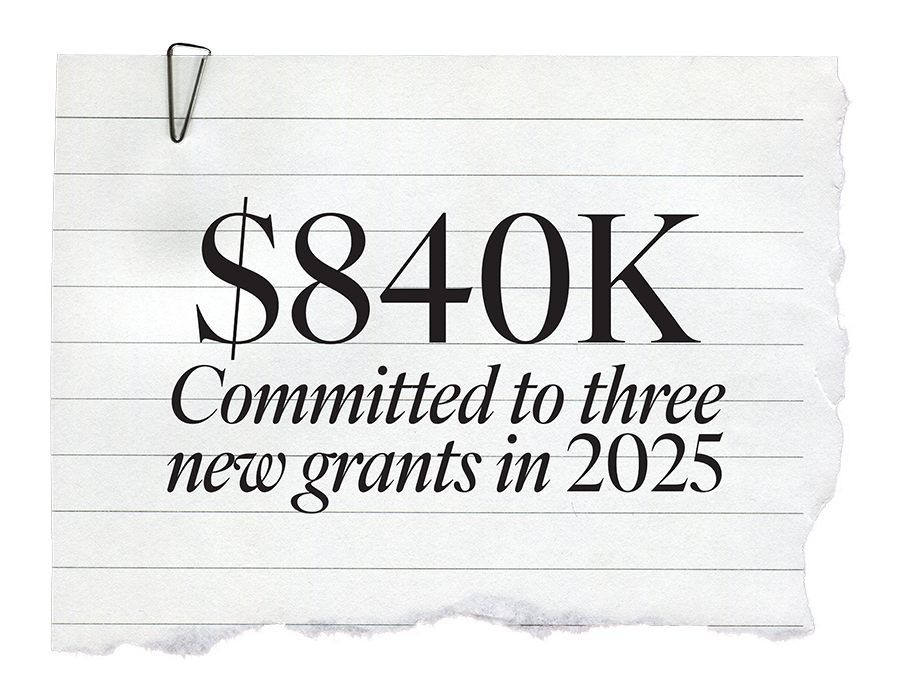
With your support, PHASE ONE funded three new grants for clinical trials in glioblastoma, pediatric neuroblastoma, and kidney cancer— all bold efforts with the potential to change lives.
2025 also called on us to respond to urgent needs close to home. In the wake of the Palisades and Eaton Fires, we were honored to support the Volunteer Fire Foundation and Integrative Healers Action Network with a Community Grant for the first Los Angeles based Firefighter Detox Pilot Program. The PHASE ONE-funded pilot served 20 firefighters, addressing the long-term cancer risks firefighters face after toxic exposure with hands-on treatments, health assessments, and education. Early results show incredible reductions in toxin burden and improved wellbeing among all participants. Findings from this program will have an impact on improving access to care and cancer interventions for firefighters in California and beyond.
All of this work is made possible through the support of our extraordinary community. Your generosity and commitment help turn new ideas into real possibilities for patients and families. As you read this report, I hope you feel proud of the impact you have made. In a year marked by both challenge and progress, your support helped keep hope within reach.
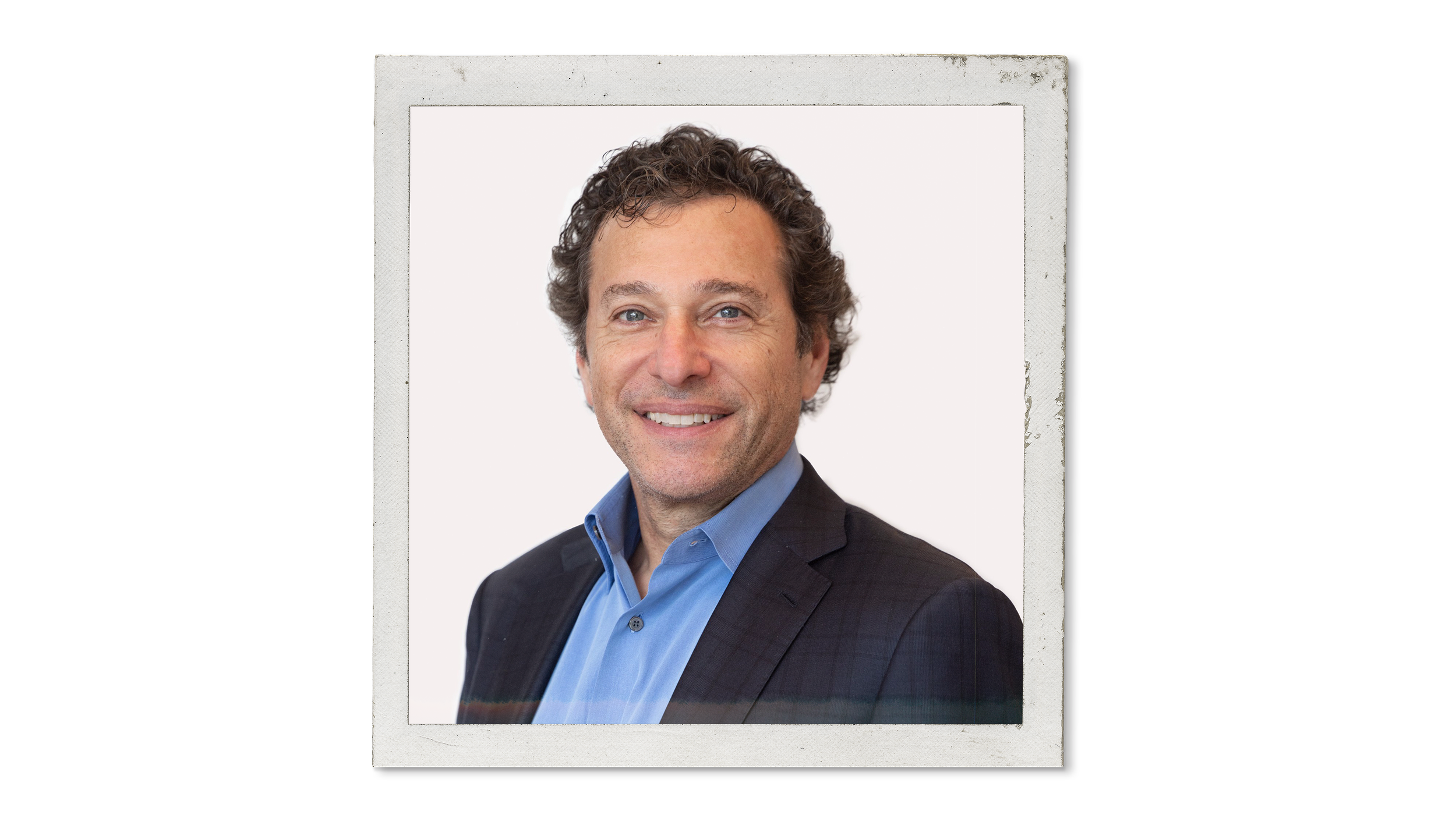
Marc Lebowitz
PHASE ONE Board Chair

Medical
GRANTS
PHASE ONE Medical Grants provide seed funding for Phase I + II clinical trials– the foundational first-in-human studies that move innovative therapies out of the lab and into the clinic.
As competition for traditional funding intensifies, our mission to support these first steps is more critical than ever. Our goal is to ensure the most promising research has the resources to move forward, leading to improved options for all cancer patients.
2025 Grantees

Jennifer Linehan, MD
Saint John's Cancer Institute
GRANT AMOUNT: $140,000
CANCER TYPE: Kidney Cancer
TRIAL PHASE: Phase I
Kidney cancer affects nearly 90,000 people in the United States each year, leading to approximately 18,000 deaths annually. RCC accounts for approximately 85% of all kidney cancer cases and is known for its aggressive nature and high propensity for metastasis, making early detection and effective monitoring critical.
Kidney cancer often advances silently, with patients rarely showing clinical symptoms until the tumor has grown large enough to metastasize.
As a result, many patients learn they have kidney cancer incidentally after undergoing an imaging test like a CT scan or MRI. However, these imaging techniques cannot reliably differentiate between cancerous growths and those that are harmless.
Additionally, once kidney cancer is diagnosed, there are no existing blood or urine tests to assess the aggressiveness of the cancer or predict recurrence.
In response to this unmet need, Dr. Linehan and her team at Saint John’s Cancer Institute are pioneering a research initiative to develop tests that leverage microRNAs (cfmiRs) as potential biomarkers. These tiny, yet powerful, molecules can provide vital insights into cancer. Previous studies have shown that these cfmiRs can be detected in both blood and urine, indicating their potential for non-invasive diagnostic approaches.
The study will analyze cfmiRs collected from blood and urine samples from at least 65 patients each year over three years. By comparing the cfmiR profiles in these biofluids to those obtained from cancerous tissue, the research aims to identify unique patterns that can inform clinicians about the presence of RCC, its aggressiveness, and its chances of recurrence. This method promises to decrease the need for invasive procedures like biopsies, which can be uncomfortable and may not always yield clear insights.
Using advanced techniques such as Next-Generation Sequencing (NGS), this research aims to craft a comprehensive diagnostic panel for RCC that integrates these cfmiR analyses. The anticipated benefits include increased accuracy in diagnosing kidney cancer and developing targeted monitoring strategies that ultimately lead to tailored treatments and enhanced survival rates for patients.
This research represents a vital step toward a future where kidney cancer can be detected and monitored more effectively, ultimately improving treatment options and patients' quality of life. By unlocking new insights into the biology of kidney cancer through the study of cfmiRs, Dr. Linehan aims to make early detection a reality for more patients, creating a significant impact on the future of cancer care.
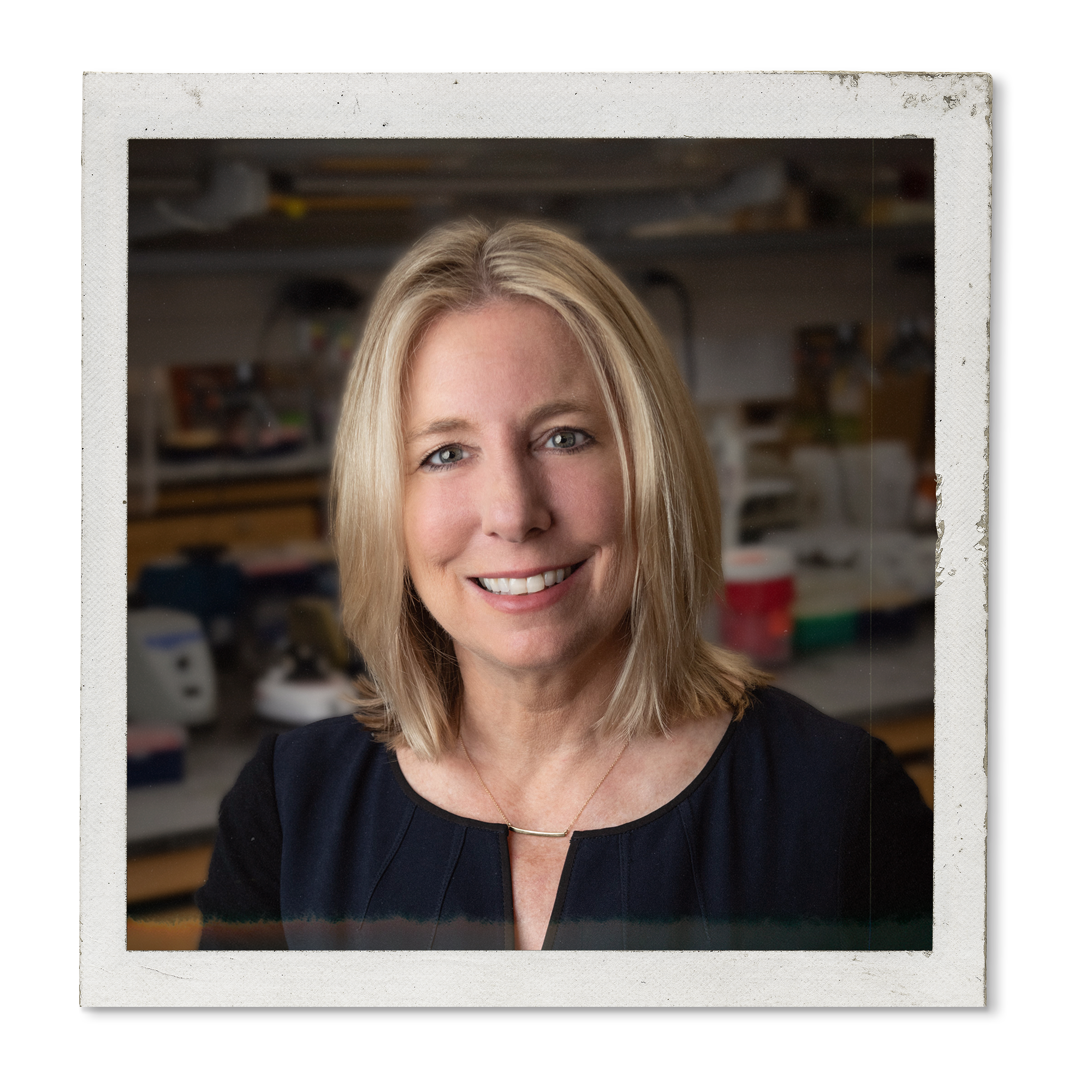
Christine Brown, PhD
City of Hope
GRANT AMOUNT: $300,000
CANCER TYPE: Glioblastoma
TRIAL PHASE: Phase I
Glioblastoma is one of the most aggressive and lethal brain cancers, growing quickly, invading healthy tissue, and resisting surgery, radiation, and chemotherapy. Most patients live only 12–24 months after diagnosis, and fewer than 10 percent survive five years, underscoring the urgent need for new therapies.
This Phase I trial tests a next‑generation CAR T cell therapy that reprograms a patient’s own immune cells to recognize and attack glioblastoma.
Building on earlier studies showing that IL13Rα2‑targeted CAR T cells can be safely delivered to the brain and, in some patients, induce dramatic tumor regression, Dr. Christine Brown’s team will use CRISPR‑Cas9 gene editing to create CAR T cells that both target IL13Rα2 and are resistant to TGFβ, a powerful “off switch” that tumors use to shut down immune responses.
Patients with recurrent glioblastoma or related high‑grade gliomas will have their T cells collected, engineered, and expanded in the lab, then delivered directly into the brain through surgically placed catheters in weekly treatments.
The trial’s primary goals are to assess safety, identify the optimal dose, and evaluate the feasibility of this complex, locoregional CAR T approach, while also monitoring early signs of clinical benefit.
By supporting this first‑in‑human study of TGFβ‑resistant CAR T cells for glioblastoma, PHASE ONE is helping to advance a bold new strategy for patients who have had very few treatment options.
This trial is currently open to enrollment– click here to learn more about eligibility.
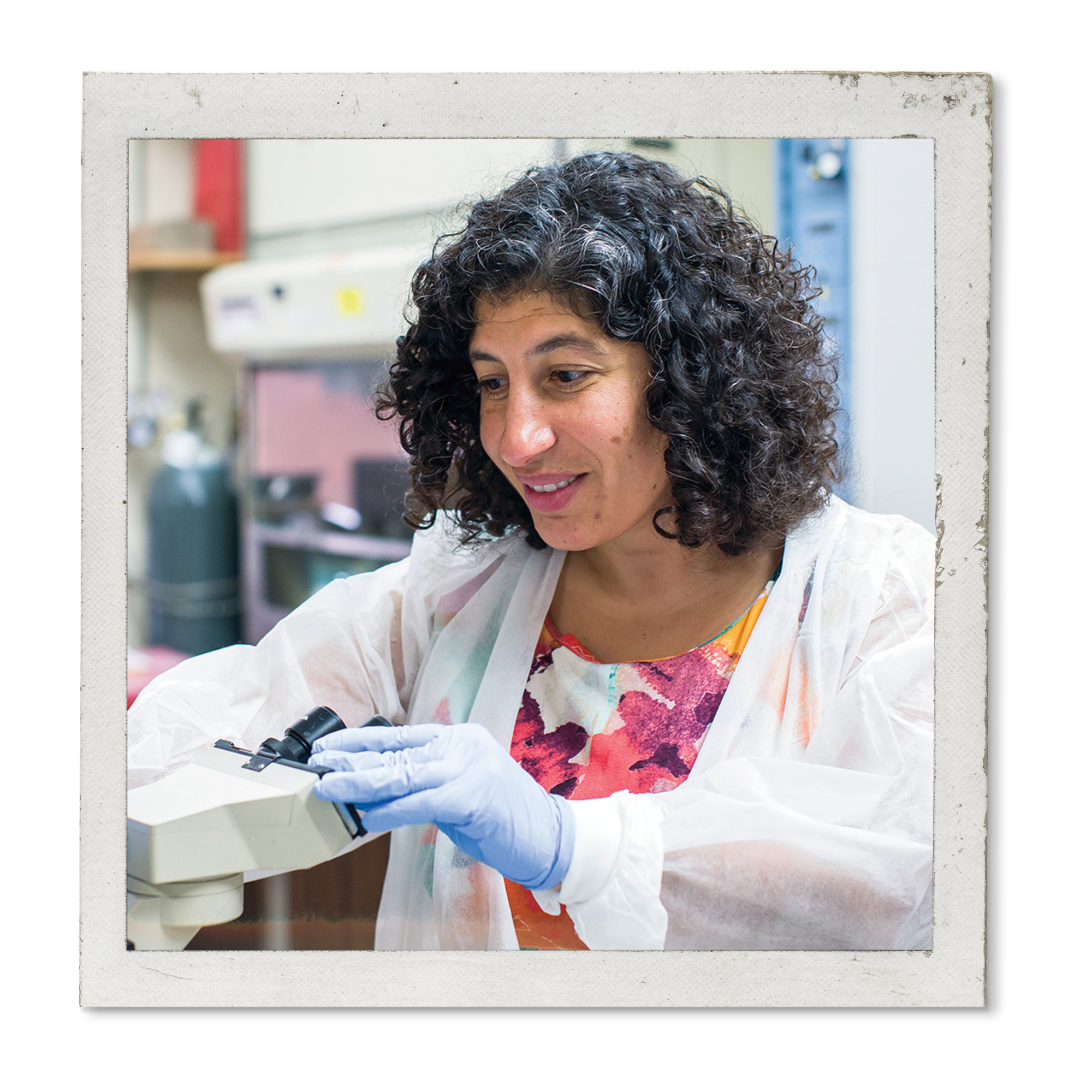
Araz Marachelian, MD, MS
Children's Hospital Los Angeles
GRANT AMOUNT: $400,000
CANCER TYPE: Neuroblastoma
TRIAL PHASE: Phase II
Neuroblastoma is the most common solid cancer outside the brain in children, and about half of patients are diagnosed with an aggressive, high-risk form. Even with extremely intensive treatment, only around half of these children survive, and outcomes are especially poor when the cancer returns.
One important advance has been dinutuximab, an immunotherapy that targets the GD2 protein on neuroblastoma cells and modestly improves survival. However, many children still relapse because neuroblastoma can shut down the immune response using molecules like TGF-beta.
Dr. Marachelian’s team is testing a new approach that combines dinutuximab with “off-the-shelf” Natural Killer (NK) cells from carefully selected healthy donors whose immune systems are naturally strong at recognizing cancer.
In the lab, these donor NK cells are expanded in the presence of TGF-beta so they learn to resist this suppressive signal and become more effective tumor killers. The cells are then frozen and kept ready for use when a child needs treatment, allowing multiple cycles of therapy without manufacturing delays.
In this Phase II clinical trial, children with relapsed neuroblastoma receive standard chemoimmunotherapy plus these enhanced universal donor NK cells. Early participants have tolerated the treatment well and have been able to continue normal activities, including attending school. The study will enroll 50 patients through the New Approaches to Neuroblastoma Therapy (NANT) Consortium.
If successful, this strategy could change how relapsed neuroblastoma is treated by pairing standard therapy with immune cells engineered to resist suppression and keep fighting, with potential implications for other childhood cancers as well.

Community
GRANTS
PHASE ONE Community Grants fund essential initiatives in prevention, education, and mental health services— addressing the critical ‘beyond treatment’ landscape for patients and families.
In a year that required immediate action close to home, our Community Grant provided essential support when it was needed most, investing in the long-term health of those we serve.
2025 Community Grant
Firefighter Detox Program
GRANT AMOUNT: $110,673
ORGANIZATIONS FUNDED: Volunteer Fire Foundation (VFF) &
Integrative Healers Action Network (IHAN)
Many of us were deeply moved by the heroic efforts of the firefighters who put their lives on the line during the January 2025 wildfires in the Pacific Palisades and Altadena communities.
While we celebrated their bravery, we must also address the reality that cancer remains the greatest long-term health risk to firefighters today.
Research shows that firefighters face a 9% higher risk of cancer diagnosis and a 14% higher risk of dying from the disease compared to the general population.
This is increasingly driven by the fact that modern wildfires are now chemical events; burning solar panels, lithium batteries, and household materials release an unprecedented mix of heavy metals and "forever chemicals" (PFAS) that traditional wood fires do not.
To help address this urgent need, PHASE ONE provided a Community Grant to the Volunteer Fire Foundation (VFF) and Integrative Healers Action Network (IHAN) in support of their Firefighter Detox Program.
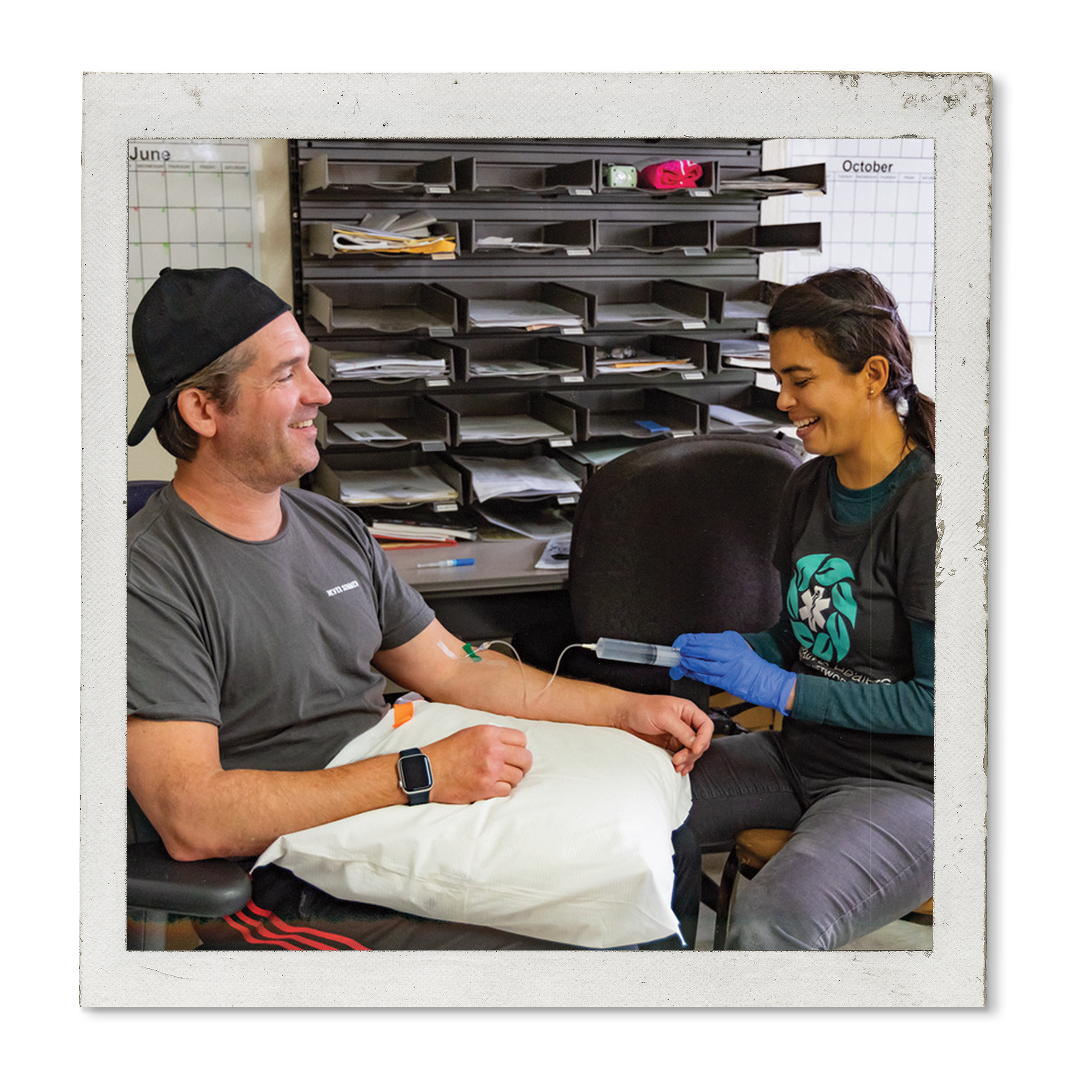
Our support funded a 12-week pilot program: a targeted clinical intervention that combines toxin testing, glutathione therapy, and infrared sauna protocols to help first responders clear these harmful substances from their bodies. This program is a vital cancer intervention with the ultimate goal of becoming standard therapy for firefighters nationwide.
The results of this work continue to speak for themselves. The PHASE ONE-funded cohort achieved a 56.6% overall reduction in elevated toxins across every category and a 61.5% reduction in PFAS markers. Furthermore, 100% of participants reported significant improvements in energy, sleep, and mental clarity.
By providing the evidence base needed to prove the program's efficacy, we are helping VFF and IHAN turn a local pilot into a scalable model to protect first responders across the country. We're honored to support these incredible organizations as they work to improve health outcomes and quality of life for those who protect our communities.
Cancer Research
Q&A
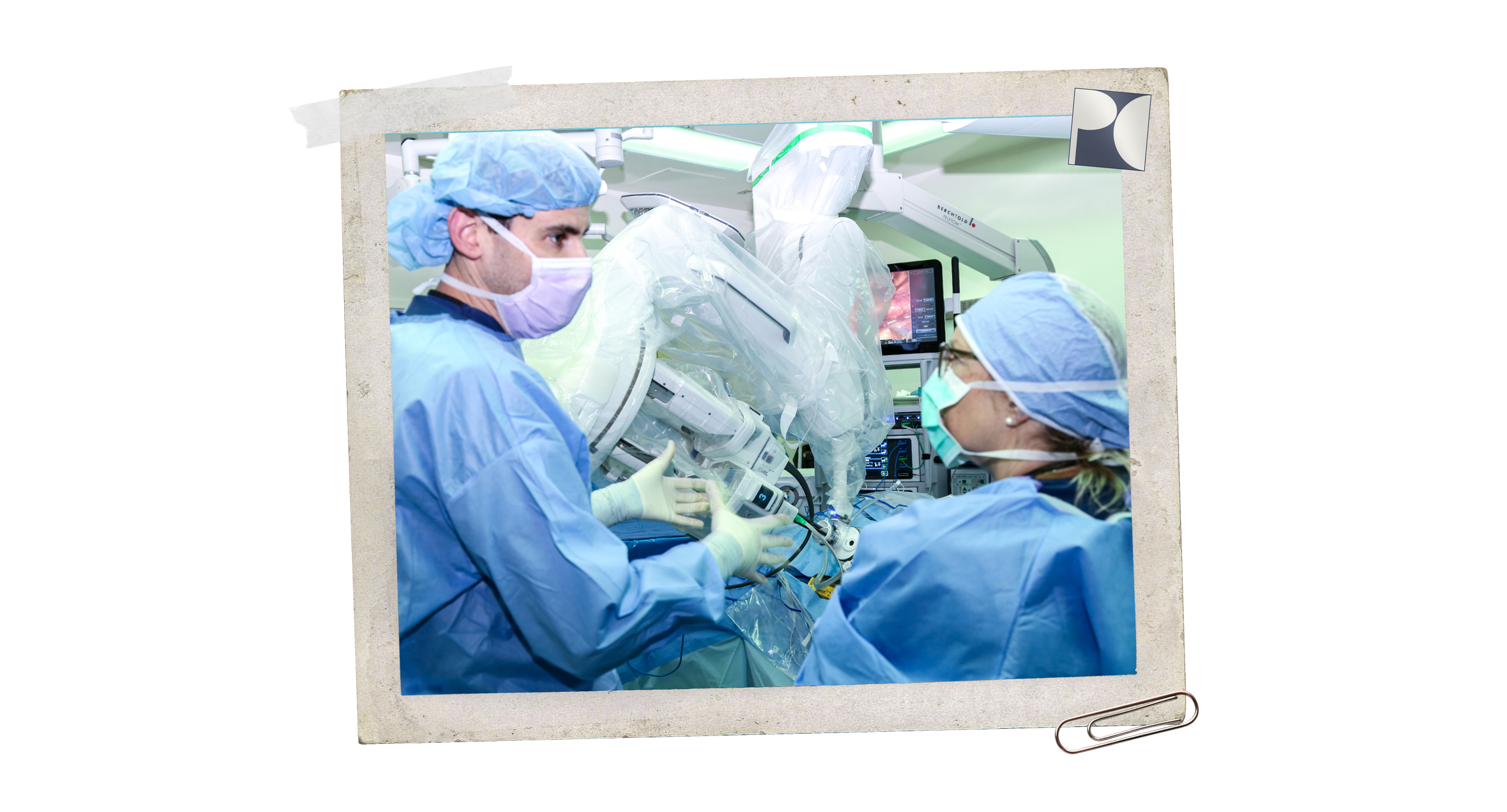
An inside look at the state of cancer research, role of philanthropy in sustaining innovation, and emerging breakthroughs redefining the future of care.
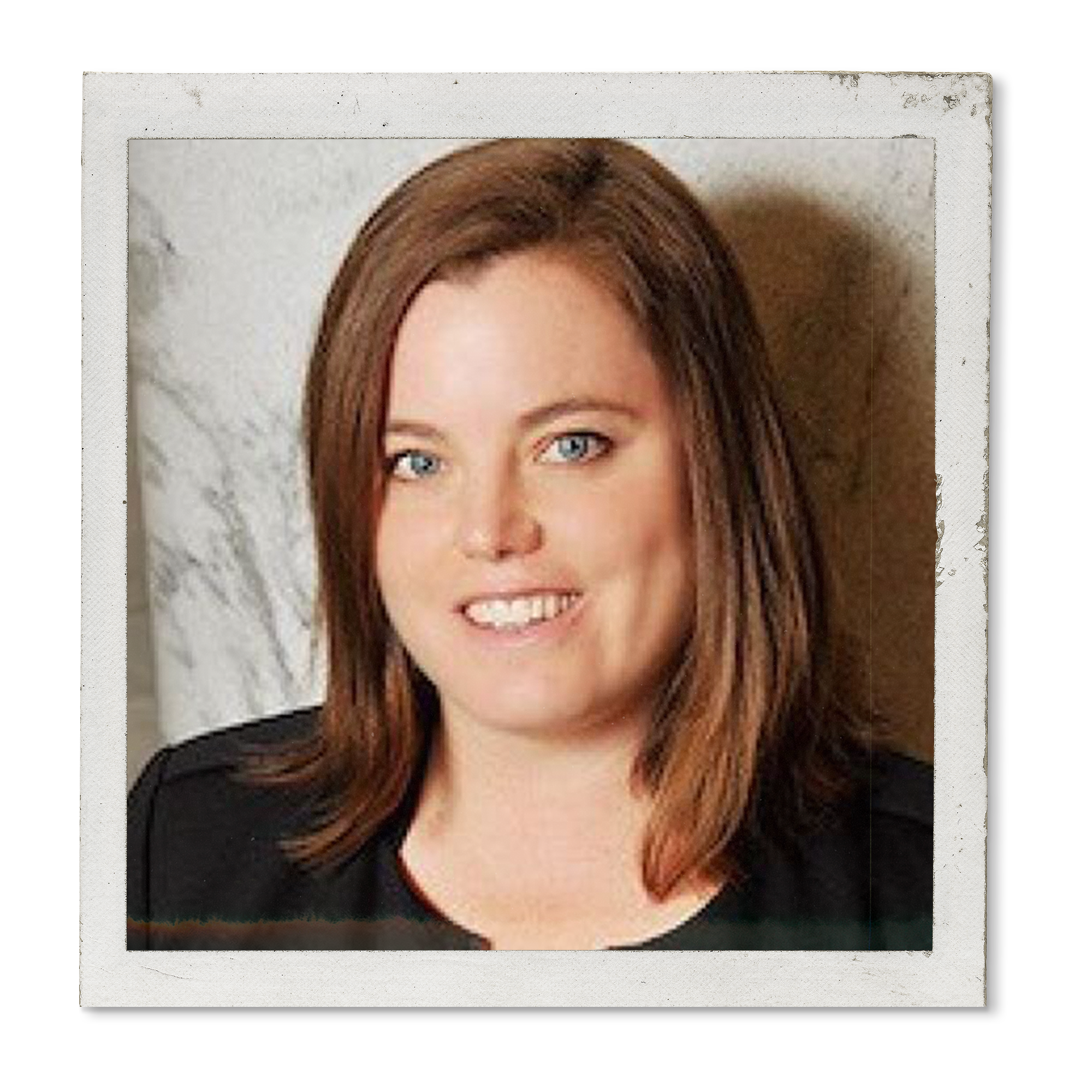
Andrea Bild, PhD
City of Hope
2023 GRANTEE
Professor, Division of Molecular Pharmacology,
Department of Medical Oncology & Therapeutics Research
From your perspective, what is the state of the cancer research landscape today, and how did the challenges of 2025 shape that picture for researchers, physicians, and patients?
Cancer research brings Americans together. Almost everyone has been touched by this disease, and wants to see us beat it. But 2025 was a hard year for the people doing that work. Cuts to federal funding have been devastating to the research community, and they have caused a slowdown in research, which means a slowdown in the advances that patients are counting on. In this new environment, philanthropy matters more than it ever has. Private giving is now what makes it possible to pursue the boldest, highest risk ideas, and to do the translational work that actually carries discoveries from the lab to the bedside. Philanthropy has become the safety net that keeps progress moving when public funding falls short.
What emerging science or recent breakthroughs in oncology are you most excited about right now, and how could they change patient care?
What excites me most is the ability to read a tumor's state from chemical marks in the blood (called methylation marks), and to use that to guide treatment. Imagine if choosing the most effective next therapy took nothing more than a single blood draw, measuring the chemical signals from cancer specific genes in both the tumor and the tissue around it.
With new blood tests that detect these marks, and new computational models that translate them into a picture of what the tumor is doing, we are on the verge of something remarkable. We will be able to take repeated measurements over time that track how a cancer is changing in near real time, and then match each change with the right therapy. That means more personalized treatment, and responses that last longer.
Why are clinical trials so important to cancer care, and why do they matter now more than ever?
We have more powerful tools than ever before: new computational and mathematical models, and new ways to measure what a tumor is doing, that let us understand the state a cancer is in and how best to treat it. But the hardest part is not inventing these tools. The hardest part is what we call translational research, the work of taking a discovery and actually putting it to use in patient care. This is one of the most difficult and most underfunded stages of science, but also one of the most important, because it is where patients finally benefit from years of hard work. Clinical trials are how that translation happens. They are the bridge that carries a promising idea out of the laboratory and into real treatment, and that is why they matter now more than ever.
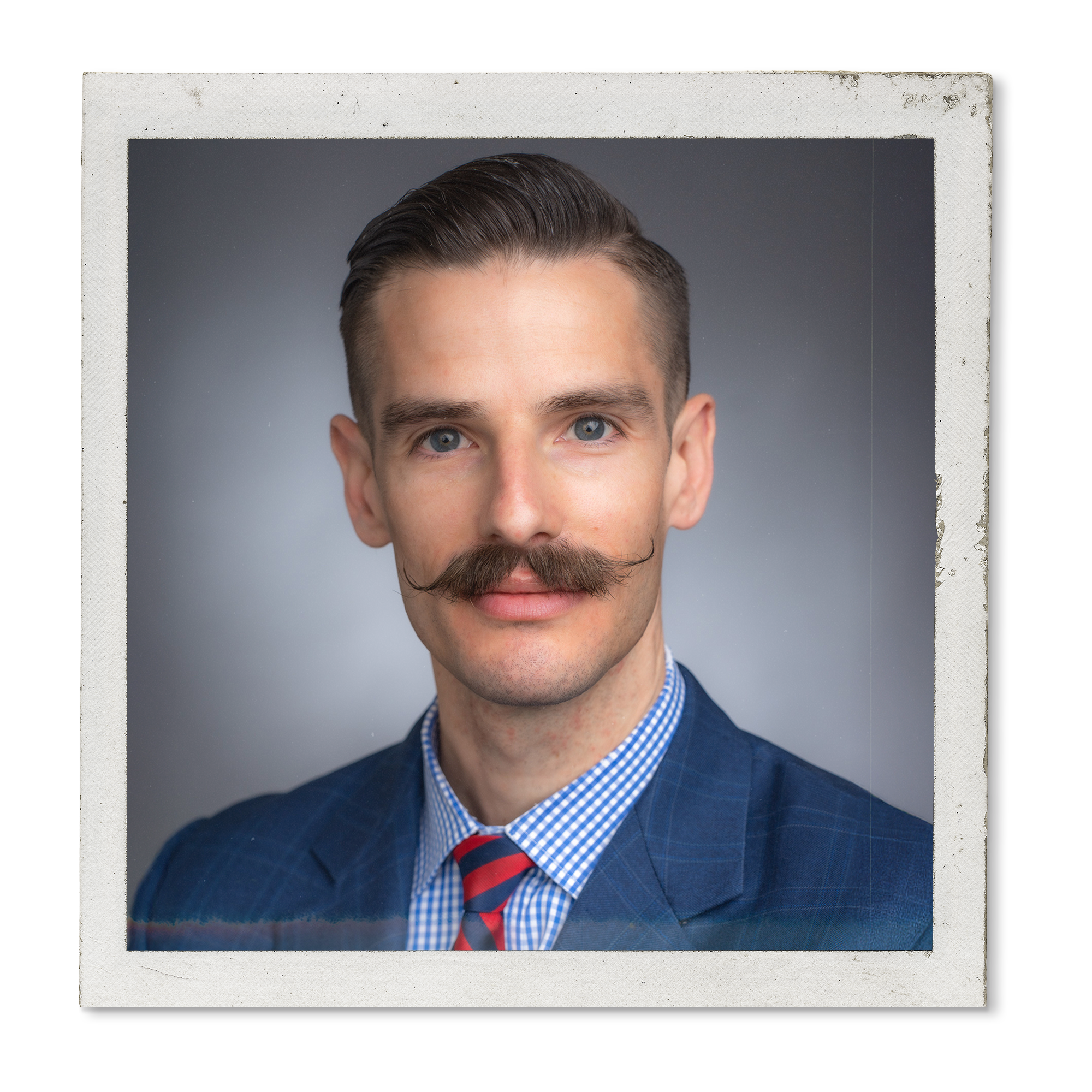
Glenn J. Hanna, MD
Dana-Farber Cancer Institute
2025 GRANTEE
Director, Center for Cancer Therapeutic Innovation (Early Drug Development Program)
Director, Center for Salivary and Rare Head and Neck Cancers
Physician | Associate Professor of Medicine, Harvard Medical School
From your perspective, what is the state of the cancer research landscape today, and how did the challenges of 2025 shape that picture for researchers, physicians, and patients?
Cancer research remains extraordinarily innovative, with advances in genomics, immunotherapy, and precision medicine continuing to improve outcomes across many tumor types. However, the funding instability and federal research cuts of 2025 slowed the pace of discovery, strained clinical research infrastructure, and created uncertainty that ultimately affects investigators, physicians, and patients waiting for new treatment options—particularly in rare cancers, where resources are already limited.
Why are clinical trials so important to cancer care, and why do they matter now more than ever?
Clinical trials are the engine of progress in oncology, providing patients access to promising therapies while generating the evidence needed to improve standards of care. They are especially critical in rare cancers, where every patient enrolled contributes valuable knowledge that can accelerate advances for an entire disease community.
In today’s funding environment, what role does philanthropy play in sustaining innovation and moving promising research forward?
Philanthropic support is increasingly vital because it provides flexible funding that can help investigators pursue high-risk, high-reward ideas that may not yet qualify for traditional grants. In rare cancers especially, philanthropy often serves as a catalyst that enables early-stage discoveries to generate the data needed for larger investments and clinical translation.
Looking ahead, where do you see cancer research and care heading in the next five to ten years?
Over the next decade, I expect cancer care to become increasingly personalized, with molecular diagnostics, artificial intelligence, and biomarker-driven therapies guiding treatment decisions more precisely than ever before. I am also optimistic that expanded collaboration across institutions and broader access to clinical trials will help bring meaningful advances to patients with rare cancers who have historically had limited treatment options.
Thank
YOU!


The progress detailed in this report is a testament to what a dedicated community can achieve when it refuses to let innovation stand still. Whether we're funding a breakthrough in the lab or responding to an urgent need close to home, your generosity is the engine behind every milestone.
Thank you for your commitment to PHASE ONE and helping keep hope within reach.