
A New Frontier in Colorectal Cancer: PHASE ONE Funds Promising Research to Improve Prevention and Detection
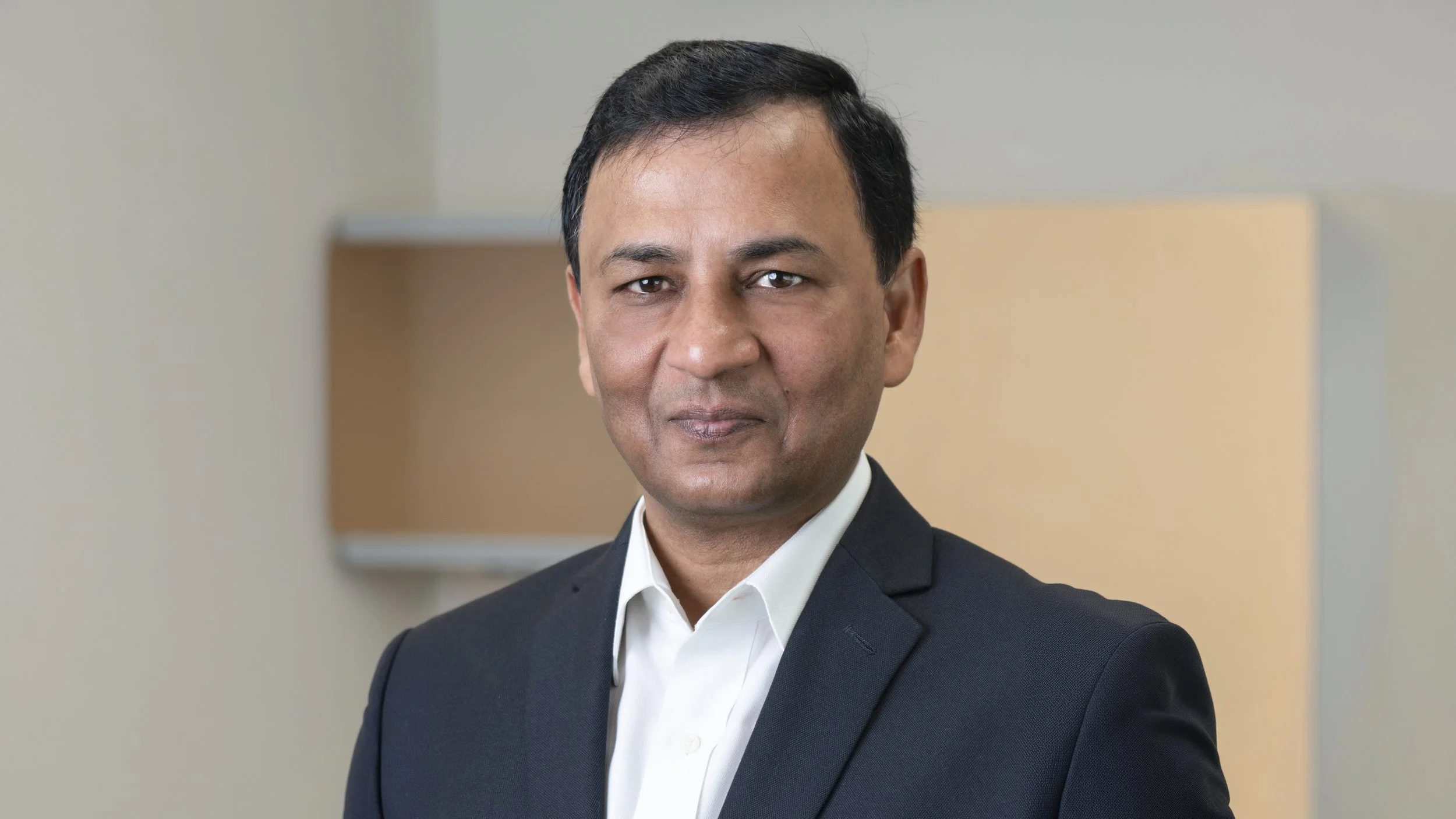
PHASE ONE Foundation has awarded a $242,500 Medical Grant to Dr. Ajay Goel at City of Hope, one of the nation’s largest and most advanced cancer research and treatment organizations, to support the development and validation of a machine-learning-assisted blood test for the early detection and prevention of colorectal cancer. The research focuses on a liquid biopsy designed to detect colorectal cancer earlier and identify advanced adenomas, precancerous lesions that can develop into cancer if left untreated.
For a disease in which early detection can make a critical difference, the study represents a promising step toward a more accessible, prevention-focused approach to screening.
Colorectal cancer remains one of the most common and deadly cancers worldwide, yet it is also among the most preventable when precancerous lesions are found and removed early.
That is part of what makes this research especially important: the goal is not only to detect cancer, but to identify advanced adenomas before cancer develops. The project also addresses growing concern around early-onset colorectal cancer, which is rising in younger adults and presents a major challenge for screening strategies that have historically focused on older populations.
Dr. Goel’s research centers on a non-invasive blood test that combines exosomal and cell-free microRNA biomarkers with machine learning to improve detection of both colorectal cancer and advanced adenomas. The approach is designed to build on the strengths of different biomarker types, combining the complementary strengths of cell-free and exosomal biomarkers. The broader aim is to create a more convenient screening tool that could support earlier detection and prevention.
Early findings from Dr. Goel’s team suggest the assay has shown encouraging performance in detecting both precancerous and cancerous disease. In preliminary research, the test demonstrated 81% sensitivity for advanced adenomas, 92% sensitivity for stage I–III colorectal cancer, 91% sensitivity for all-stage colorectal cancer, and 85% specificity. In a separate multicenter study focused specifically on early-onset colorectal cancer, Dr. Goel’s team observed 91% sensitivity and 87% specificity. Together, these results underscore the promise of the approach while reinforcing the need for larger-scale validation.
“The greatest opportunity in colorectal cancer screening is not simply to find cancer earlier, but to prevent cancer by identifying the advanced precancerous lesions that precede it. Our recent studies have shown that blood-based approaches can potentially detect both advanced adenomas and early colorectal cancers, but the critical next step is rigorous validation in larger and more representative populations. We are deeply grateful to the PHASE ONE Foundation for supporting this next stage of our work and helping us move this technology closer to a screening approach that could ultimately benefit many more patients.” –Ajay Goel, Ph.D., AGAF, Professor and Chair, Department of Molecular Diagnostics and Experimental Therapeutics, City of Hope
With PHASE ONE’s support, the next stage of the project will focus on further training and validating the assay using artificial intelligence in a larger patient cohort. The research program spans multiple phases, from biomarker discovery and assay validation through retrospective and prospective screening, with a planned sample size of 1,200 individuals, including 250 between the ages of 25 and 50.
The research is designed to address a central challenge in colorectal cancer screening: existing blood-based tests have limited sensitivity for advanced adenomas and early-stage colorectal cancer, reducing their value for true cancer prevention. By improving detection of both advanced adenomas and early-stage disease, the study aims to move screening closer to a model that is not only less invasive, but more effective at identifying disease before it progresses.
“PHASE ONE was created to help accelerate early-stage research that could revolutionize how cancer is treated. What has become increasingly clear over time is that improving outcomes depends not only on better therapies, but also on finding disease earlier. Dr. Goel’s work is an exciting example of that evolution, combining scientific innovation with practical screening potential and a strong focus on improving colorectal cancer detection, including for younger adults.” –Amanda Salvado, MD, PHASE ONE Granting Co-Chair
If successful, the project could help strengthen the clinical foundation for a next-generation blood test that improves colorectal cancer screening and prevention, particularly for patients at risk of early-onset disease.
More broadly, it could help advance a future in which cancer screening is more accurate, less invasive, and better equipped to detect disease at a stage when intervention can have the greatest impact.