
New Research Offers Hope for Children and Young Adults With Relapsed Solid Tumors
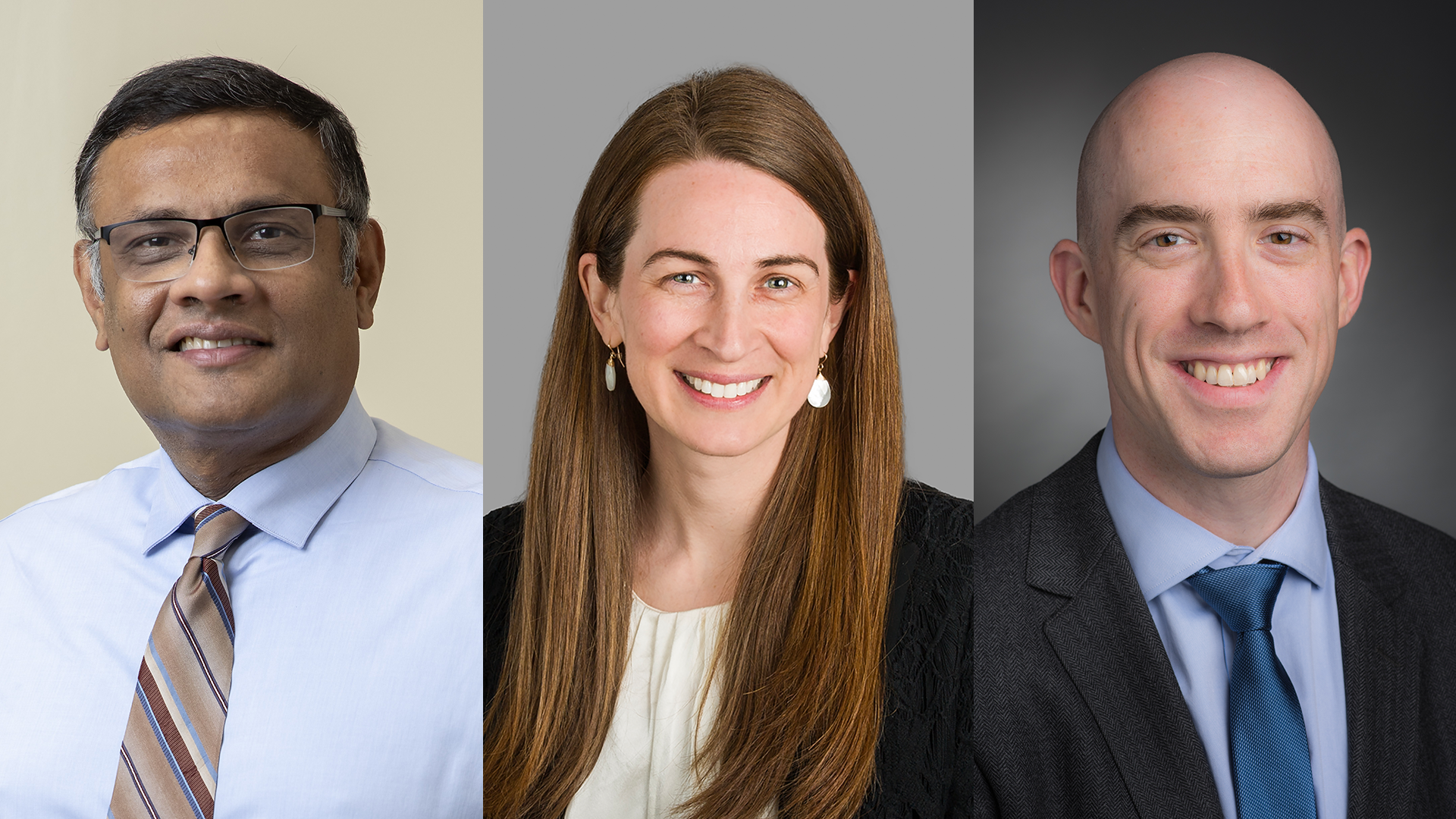
Left to Right: Dr. Leo Mascarenhas, Dr. Jacquelyn Crane, Dr. David Shulman
PHASE ONE Foundation has awarded a $250,000 Medical Grant to support clinical research advancing PEEL-224, an investigational therapy being studied for children, adolescents and young adults (AYA) with relapsed or refractory solid tumors and sarcomas. These multi-site studies are led by Dr. Leo Mascarenhas at Cedars-Sinai, Dr. Jacquelyn Crane, lead investigator for the pediatric study at Children’s Hospital of Philadelphia (CHOP), and Dr. David Shulman, lead investigator for the AYA study at Dana-Farber Cancer Institute.
For patients and families facing relapse, the need for better options is urgent. Young people with metastatic and recurrent solid tumors continue to have poor outcomes, and existing treatments often offer limited benefit while causing serious side effects and requiring significant time in the clinic.
PEEL-224 is being developed as a new type of cancer therapy designed to improve on some of the biggest limitations of irinotecan, a chemotherapy commonly used in relapse treatment. The drug uses a novel topoisomerase I inhibitor, a type of cancer-fighting compound, together with a delivery system designed to help more of the active medicine reach tumors, remain in the body longer, and reduce gastrointestinal side effects.
Early findings have been encouraging. In preclinical studies, PEEL-224 showed activity in models of neuroblastoma, rhabdomyosarcoma, and Ewing sarcoma. Clinical trials are now underway to further evaluate its safety and potential activity in patients.
With PHASE ONE’s support, the next stage of development will help advance two ongoing clinical trials evaluating PEEL-224 across the pediatric and AYA spectrum.
One trial is studying PEEL-224 alone and in combination with vincristine and temozolomide in children with relapsed or refractory solid tumors, with a focus on neuroblastoma and rhabdomyosarcoma. A second trial is studying PEEL-224 in combination with vincristine and temozolomide in adolescents and young adults with relapsed or refractory sarcomas, including Ewing sarcoma and desmoplastic round cell tumor. Both studies are active and enrolling.
The research is designed to identify recommended Phase II dosing and evaluate early signs of effectiveness in high-risk cancers where treatment options remain limited.
“We are deeply grateful to the PHASE ONE Foundation for supporting these clinical trials. This therapy was developed here at CHOP, and PHASE ONE's support allows us to not only treat children and you adults with relapsed solid tumors in our own communities but also supports the expansion of the trial to sites nationwide, accelerating a true bench-to-bedside journey.” –Jacquelyn Crane, MD, lead investigator for the pediatric study at CHOP
This work is especially meaningful because it aims not only to improve how well treatment works, but also to reduce the burden treatment places on patients and their families. Early experience from the AYA sarcoma study suggests the regimen may dramatically reduce clinic visits compared with conventional irinotecan-based therapy for responding patients.
“This grant reflects PHASE ONE’s commitment to advancing innovative research in cancers where the need is urgent and the options are too few. This study is especially compelling because it focuses on relapsed solid tumors and aims to improve both outcomes and quality of life during treatment.” —Linda Toth, PHASE ONE Granting Co-Chair
If successful, this work could help establish a less toxic and more effective treatment approach and lay the foundation for future studies in these rare and high-need cancers.